Life has a way of putting the guitar in a closet. A new job, kids, a move, or just the slow accumulation of busy — and suddenly it’s been fifteen years. If that’s you right now, pulling a dusty case out of storage and wondering whether your fingers still remember anything, welcome back. You’re not starting over. You’re returning with better ears, more patience, and a much clearer sense of what you actually want from the instrument. The only question is whether your gear setup is going to help you stick with it this time — or quietly make it too inconvenient to bother.
This guide is built specifically for that moment. Whether you played seriously in your twenties and owned some genuinely good instruments, or you’re just now realizing that a $90 pawn-shop guitar and a solid-state practice amp from 2003 might not be the most inspiring setup, we’ll help you figure out what’s actually worth buying, what you can skip, and how to build a rig that fits your life as it exists today — not the life you had back then.
The Honest Truth About Your Old Technique (and What Gear Actually Does for It)
Here’s the thing returning players consistently discover: muscle memory is remarkably durable. The neural pathways built over years of practice don’t fully disappear. Reviewers and players across aggregated product reviews — particularly on instruments like the Epiphone SG Special and Ibanez GRX70QA — repeatedly mention being surprised at how quickly fretting patterns and chord shapes started coming back within weeks of returning. The fingers may feel stiff for a month. Calluses will need rebuilding. But the intuition for where notes live on the neck tends to return faster than expected.
What gear actually affects in a comeback scenario is not your technique — it’s your friction. Friction is anything that makes it slightly harder to pick up the guitar: a setup that’s uncomfortable to play, an amp that takes five minutes to warm up and dial in, or a practice situation that means waking up your household. Reduce the friction and you play more. Play more and everything comes back faster. That’s the real lens for every gear decision in this guide.
A note on physical realities: Acoustic Guitar Magazine’s piece “Playing Through Pain: Guitar and Arthritis” documents something that mirrors what returning-player reviews consistently show — players dealing with joint stiffness, arthritis, or reduced hand strength frequently report that switching from an acoustic to a lighter electric guitar with lower action (meaning the strings sit closer to the fretboard and require less force to press down) dramatically extends comfortable playing time. If that’s part of your picture, it should weigh heavily in your instrument choice.
Choosing Your Instrument: What’s Actually Good Enough
The $150–$300 Guitar Question
One of the most common anxieties for returning players who used to own serious gear is whether a budget instrument is going to feel like a step backward. The data from aggregated owner reviews is reassuring and consistent.
One Ibanez GRX70QA owner — who reported owning more than twenty guitars including Martins and Gibsons — described the GIO-series guitar as playing and sounding comparably to their Fender Telecaster for the purposes of everyday practice. That’s not a rare outlier; Guitar World’s buying guides for returning players note that the manufacturing tolerances on entry-level guitars from brands like Squier, Yamaha, and Ibanez have improved substantially over the past decade. A Squier Affinity Stratocaster (a “Strat” is a Fender Stratocaster-style guitar with a distinctive double-cutaway body and three single-coil pickups) or a Yamaha Pacifica 112V will play well out of the box once given a basic professional setup — meaning a guitar technician adjusts the string height, intonation, and nut slots, typically for $40–$80 at a local shop.
Buy a $150–$300 guitar if: You’re not sure yet how much time you’ll commit, you want to keep financial stakes low while you rebuild the habit, or you want a dedicated instrument for a specific context (travel, the office, a kid’s room where it might take some abuse).
Don’t buy the cheapest possible guitar if: You’ve owned high-end instruments before and you know that a poorly set-up guitar with high action will frustrate you into quitting. In that case, spend the extra $100–$150 on a mid-tier guitar and the setup.
The Epiphone SG Special: A Specific Case Worth Naming
The Epiphone SG Special (Epiphone is Gibson’s more affordable subsidiary; the SG is a classic double-horned electric guitar body shape associated with classic rock and blues) draws a specific type of returning player: someone who owned or played high-end gear, wants the feeling of a classic rock instrument, but doesn’t want to put a $3,000 Gibson Custom Shop at risk of being dinged, dropped, or left in a hot car. One thirty-year veteran who reviewed the Epiphone SG Special described exactly this logic — they wanted the sounds and the ergonomics without the financial anxiety.
This is a completely legitimate use case. Using an affordable instrument as a beater (a guitar you don’t worry about damaging) is how a lot of experienced players protect their better instruments while keeping a guitar accessible at all times. At its price point, the SG Special delivers the humbucker (a type of pickup that uses two coils to produce a thick, warm sound) tone profile you’d expect from the body shape. It’s not going to compete with a Gibson Historic reissue, but that’s not what it’s for.
The Practice Amp and Silent Playing Problem
Playing at 6am Without Waking Anyone Up
This is the gear decision that makes or breaks more comebacks than any other. The solution set in 2026 is better than it’s ever been, and it breaks down into two main categories:
1. Headphone amp plugs: A headphone amp is a small device — roughly the size of a USB drive — that plugs directly into your guitar’s output jack and lets you play through headphones. The Fender Mustang Micro Plus is the most frequently cited product in this category by returning players specifically. Owners report using it precisely because it lets them play acoustic-to-electric without any room noise, with decent amp modeling (digital simulations of different amplifier sounds) built in. MusicRadar’s modeling amp coverage consistently notes the Mustang Micro Plus as a standout for convenience and sound quality in the plug-in headphone amp category.
2. Modeling amps with headphone outputs: A modeling amp (an amplifier that uses digital processing to simulate many different amp and effect sounds) like the Fender Mustang series or the Boss Katana gives you a speaker for when volume is acceptable, and a headphone jack for silent practice. This is the more flexible option if you have any space and want to occasionally play with the volume on.
Do You Need Pedals If You Have a Modeling Amp?
Short answer: No. A modeling amp already contains digital versions of the most common effects — distortion, reverb, delay, chorus — so you’re not leaving anything on the table by skipping a pedalboard at the start. Where pedals become relevant is when you have a specific sound in your head that you want to recreate with precision.
This is where the Zoom G1X FOUR multi-effects processor becomes worth mentioning. Owners of this unit — particularly returning players — have specifically noted its value for dialing back into a recorded tone from decades past. If you have a particular album or even a home recording from your playing days that represents the sound you’re chasing, the Zoom G1X FOUR’s breadth of amp and effect models makes that kind of archaeological tone-matching plausible at a low price point.
Buy pedals if: You have a specific sound target and want precision. Skip pedals for now if: You’re rebuilding the habit and don’t want more complexity standing between you and just playing.
By the Numbers: Comeback Gear Stack at Two Price Points
| Goal | Budget Option | Step-Up Option |
|---|---|---|
| Electric guitar | Squier Affinity Strat (~$250) | Epiphone SG Special ( |
| Silent practice | Fender Mustang Micro Plus (~$100) | Modeling amp with headphone out, e.g. Boss Katana 50 (~$220) |
| Effects | Zoom G1X FOUR (~$60) | Chase Bliss or Strymon single pedals ($200–$350 each) |
| Total minimum | ~$350 with setup | ~$600–$1,100 |
If You’re Coming Back to Acoustic
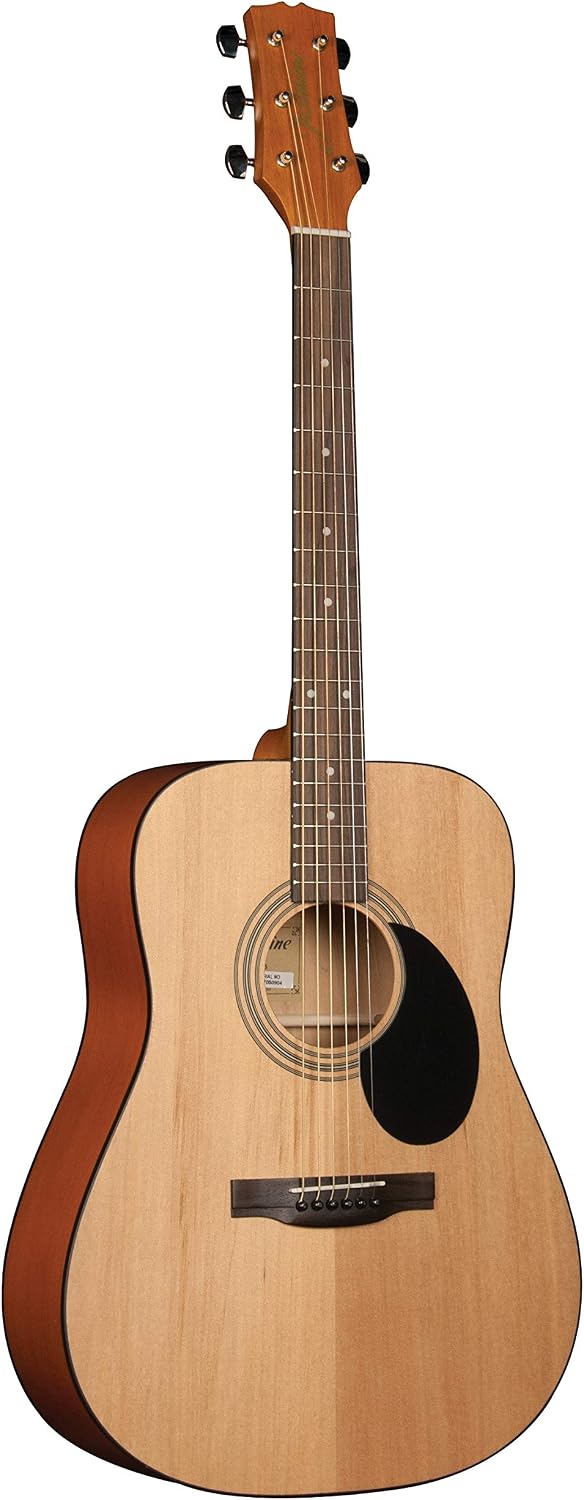
Electric guitars are objectively easier on the hands — lighter strings, lower action — but plenty of returning players want to stay acoustic. If that’s you, and comfort is a concern, the conventional wisdom from Acoustic Guitar Magazine’s arthritis and playing-pain coverage holds: look for a guitar with a smaller body (a “parlor” or “000” body shape is narrower and shorter than a dreadnought), lighter gauge strings (string thickness affects tension and how hard you press), and consider having a professional lower the action. None of this requires spending a lot of money. A Yamaha FG800 setup properly will be far more comfortable than an expensive guitar with factory-high action.
Frequently Asked Questions
Is a $150–$200 guitar good enough for a returning player who used to own better gear? Yes, with one condition: get it properly set up by a technician. The instrument itself is capable; the factory setup on budget guitars is often the weak link. A $60 setup on a $180 guitar will outplay an unsetup $400 guitar in terms of feel.
Will my old technique come back, and does gear affect that? Technique returns faster than most players expect — typically within a few weeks of consistent playing. Gear affects technique indirectly by affecting how often you pick up the instrument. A comfortable, accessible setup means more playing time, which means faster recovery of feel and speed.
What’s the best setup for playing guitar without waking the household at 6am? The simplest setup is a guitar plugged into a Fender Mustang Micro Plus or any similar headphone amp, with a pair of decent headphones. No amp, no speaker, no noise. A modeling amp with a headphone output gives you the option to play aloud when appropriate.
Do I need pedals if I buy a modeling amp? No. A modeling amp covers distortion, reverb, delay, and most common effects internally. Pedals are an upgrade path for players who have a specific tone target — not a day-one necessity.
Is the Epiphone SG Special worth it for someone who already owns high-end guitars and just wants a beater? Yes, for exactly that use case. The logic is sound: keep your good instruments safe, keep a lightweight, tonally appropriate guitar accessible for daily use without anxiety. At its price point, the SG Special delivers the classic rock voicing the body shape implies without requiring careful handling.
Prices reflect typical retail market conditions as of mid-2026. Check Sweetwater, Guitar Center, and Reverb for current availability and deals — used and open-box options on Reverb in particular can bring mid-tier instruments into budget-tier price ranges.