If you’ve just started taking your guitar playing seriously — or if you’ve come back to the instrument after a few years away — you’ve probably run into the same crossroads: do you buy a modeling amp (an amplifier with dozens of built-in tones and effects, no extra gear required) or start building a pedalboard (individual effect pedals, or a multi-effects unit, that you run into a simpler amp)? Both paths lead to the same destination — a rig that sounds good and inspires you to keep playing — but they take you there differently. Getting this decision wrong doesn’t mean disaster; it does mean spending money twice. This article walks through both options honestly, names real-world tradeoffs, and ends with a clear decision rule you can apply to your specific situation today.
What You’re Actually Choosing Between
Let’s get concrete about what each category looks like at the price points most developing players are working with.
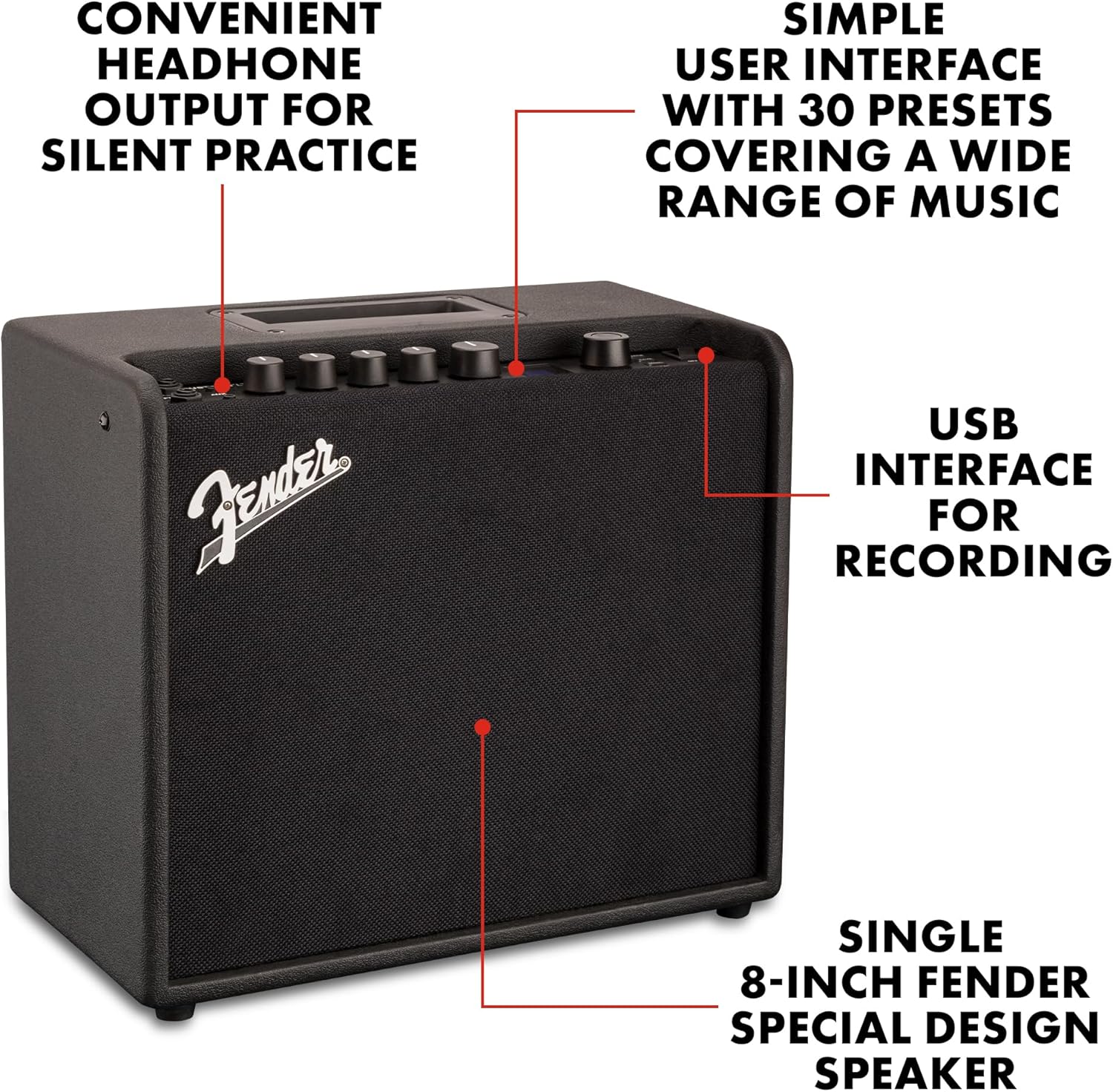
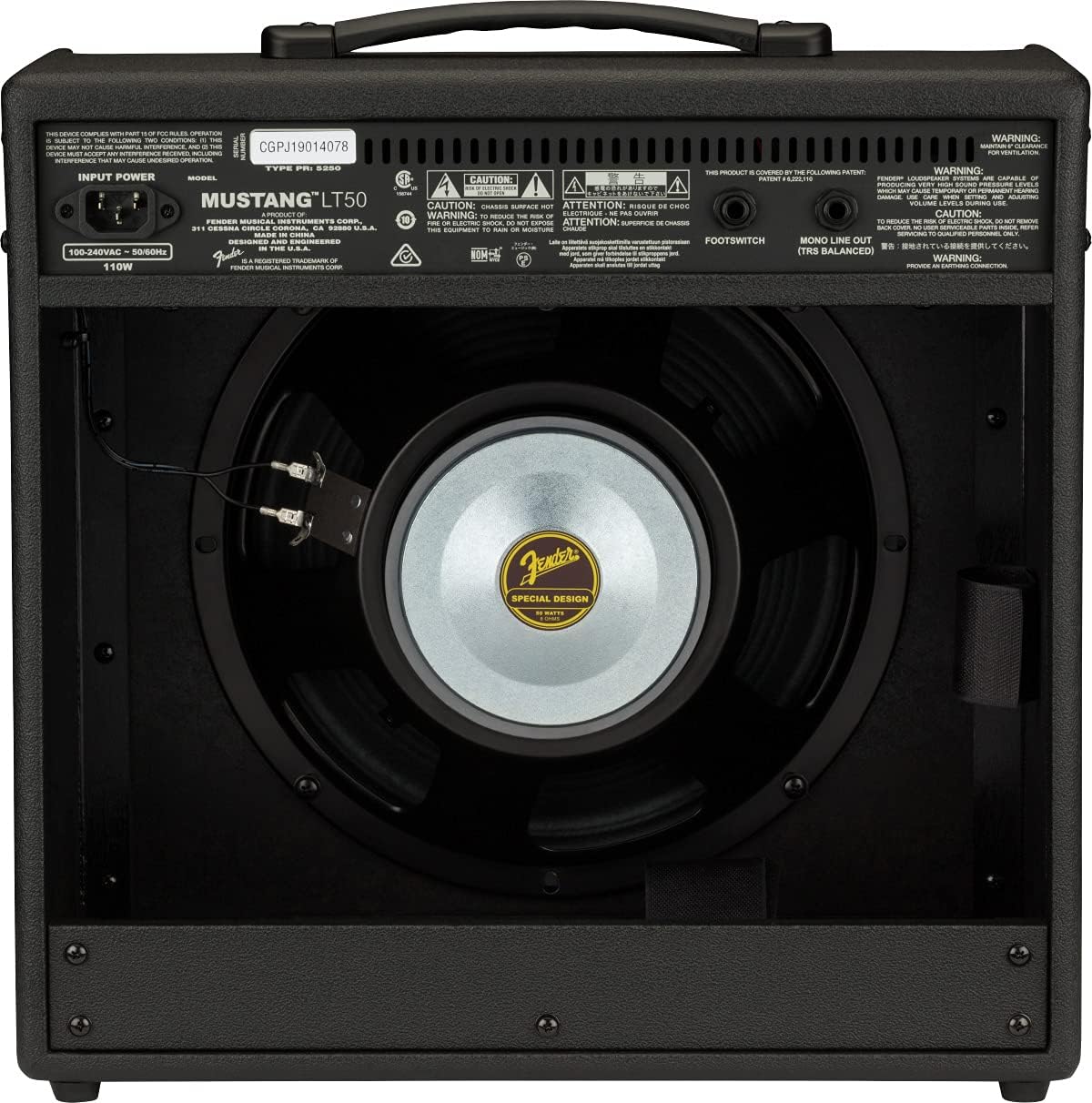
Modeling amps in this conversation: The Fender Mustang LT25 and its bigger sibling the Mustang LT50 are the most discussed options in this segment. They’re self-contained units — plug in your guitar, scroll through presets, and you’ve got clean tones, overdriven tones, reverb, delay, chorus, and more, all without touching a single additional pedal. The LT25 is a 25-watt unit designed for home practice and small rehearsal spaces. The LT50 steps up to 50 watts and handles louder environments.
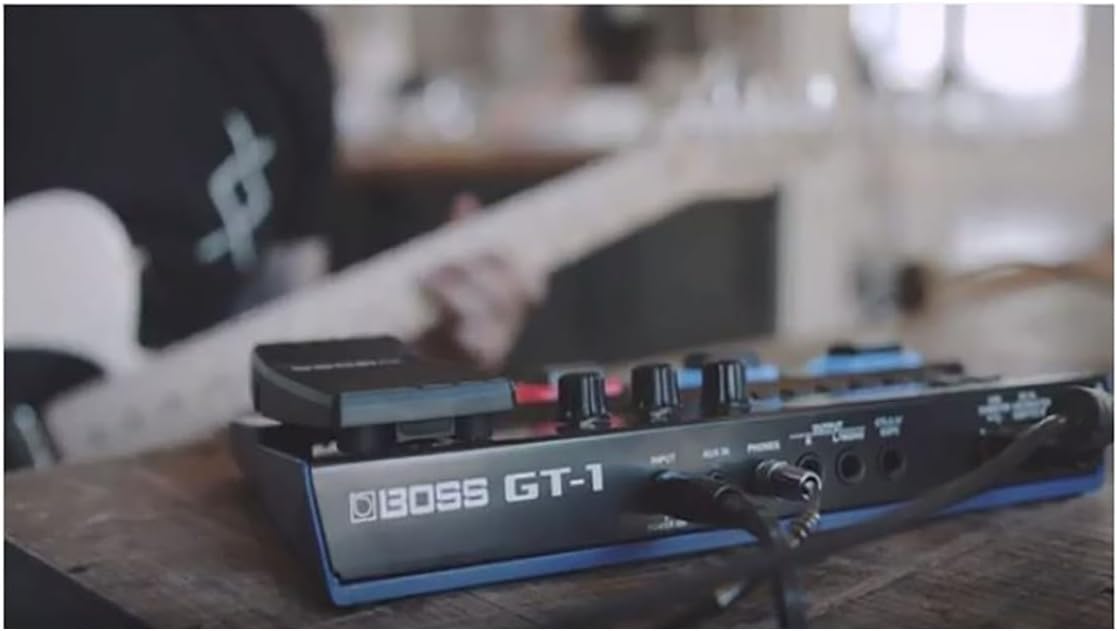
Multi-effects and pedalboard options in this conversation: The Boss GT-1 is a floor-based multi-effects processor — a single unit that lives on the floor and does the job of many individual pedals. The Zoom G1X FOUR is a more compact, budget-accessible multi-effects unit with an expression pedal built in. Both get used two ways: run into a clean amp (one that doesn’t color the tone much), or run directly into a PA or recording interface.
These aren’t the only gear in these categories, but they represent the tradeoffs that scale to most options in each segment.
Three Tiers: Matching the Tool to Where You Actually Are
Budget Entry Point — Getting Started Without Overcommitting
For players on a strict budget who own nothing yet, the modeling amp wins on pure efficiency. A unit like the Fender Mustang LT25 requires zero additional purchases: plug in your guitar and you have immediate access to a range of amp simulations and built-in effects. Sweetwater’s Fender Mustang LT25 product overview and customer Q&A documents a consistent pattern among new owners — the variety of usable tones available from a single box, without needing to research or purchase any additional gear, is the feature that earns the most praise.
MusicRadar’s 2025 guide “Best modeling amps for beginners and intermediate players” consistently places the Mustang line near the top of entry-level recommendations, specifically citing preset variety and the quality of the companion Fender Tone app, which allows preset editing from a phone. For a player whose priority is getting back to playing rather than learning gear, this matters.
On the multi-effects side, the Zoom G1X FOUR sits at a comparable price point and is genuinely capable — but it requires a separate amp to work as a standalone practice rig. If you already own a serviceable clean amp, the G1X FOUR is the more efficient spend: you’re adding capability to something you have rather than replacing it. If you own nothing, the math favors the modeling amp.
Jasmine
$119.00
In stock on Amazon
Check price on AmazonMid-Tier — When You’re Playing Regularly and Need More Flexibility
At the mid-tier, the conversation shifts from “getting started” to “building a rig that works in more than one room.” This is where the Boss GT-1 earns its reputation. Premier Guitar’s Boss GT-1 multi-effects review notes that the unit handles every effect type convincingly, and long-term owners — including players who previously ran separate pedalboards — report consolidating around the GT-1 entirely. That’s a meaningful data point: these aren’t players who had nothing; they had individual pedals and chose the multi-effects unit over them.
The GT-1 run into a clean amp is the classic mid-tier setup. The amp becomes a neutral delivery system; all the tone-shaping happens in the floor unit. This approach is portable (the GT-1 travels easily without the amp), flexible across different playing environments, and teaches you something real about signal chains that a modeling amp’s all-in-one approach does not.
The Mustang LT50 is the modeling amp answer at this tier — 50 watts, a 12-inch speaker, and enough headroom to sit in a mix with a live drummer without getting buried. Owners describe it as a logical step up from the LT25 rather than a different philosophy. If you bought the LT25, loved the approach, but found yourself getting lost in louder rehearsal contexts, the LT50 is the natural upgrade path within that ecosystem.
Guitar World’s 2025 buyer’s guide “Best Multi-Effects Pedals” makes clear that players who get the most from multi-effects processors at this tier invest time in patch editing and signal chain understanding — time that isn’t required when scrolling presets on a modeling amp. For a player who genuinely enjoys that kind of tinkering, this is a feature. For a returning player who wants to enjoy guitar without a new technical hobby, it’s friction worth acknowledging honestly.
BOSS
$189.98
In stock on Amazon
Check price on AmazonAdvanced Hobbyist and Gigging Player — Where the Paths Diverge Most
At the upper end of what a developing player might reasonably spend, the tradeoffs crystallize. A modeling amp in the $300–$500 range is excellent for home practice and recording demos, but it has a ceiling. The tone-shaping lives inside the amp’s software, and when you outgrow it — or want to run a different amp at a gig — your investment in presets and familiarity doesn’t transfer to the next setup.
A more sophisticated multi-effects rig — the GT-1 or an upgraded successor, run into a quality clean amp — scales further. Your understanding of signal chain, effect order, and patch architecture carries forward regardless of what amp you eventually pair it with. If the trajectory is toward boutique gear, separate drive pedals, and more deliberate rig-building, the multi-effects path compounds in value. Premier Guitar’s coverage of multi-effects processors consistently notes that the floor-unit-plus-clean-amp configuration is how many working guitarists run their rigs at a professional level — not because they can’t afford modeling amps, but because the flexibility is operationally preferable.
The honest counterpoint: the highest-quality, most nuanced amp modeling — the kind that makes session players and boutique-amp enthusiasts take notice — lives in significantly more expensive hardware like the Kemper Profiler, not in the $150–$500 practice amp segment. If you’re at the advanced hobbyist tier and pure tonal accuracy is the priority, no modeling amp at this price point fully satisfies that goal. The multi-effects unit plus a good amp is the more honest value proposition at the top of this range.
Fender
$249.99
In stock on Amazon
Check price on AmazonSide-by-Side: What Each Path Actually Costs You
| Factor | Modeling Amp (e.g., Mustang LT25/LT50) | Multi-Effects (e.g., Boss GT-1, Zoom G1X FOUR) |
|---|---|---|
| Starting cost | ~$150–$350 | ~$80–$200 (plus amp) |
| Additional amp required? | No | Yes, or PA/interface |
| Effects out of the box | High — curated presets | High — modular and editable |
| Learning curve | Low–moderate | Moderate–high |
| Portability | Amp-sized | Pedalboard-sized |
| Upgrade path | Replace the amp | Add to existing setup |
| Knowledge transfer | Limited to that ecosystem | Applies to any future rig |
If X, Then Y: The Decision Rules
Buy the modeling amp if:
- You’re practicing at home and want great tone with zero additional purchases.
- You’re a returning player whose main goal is playing enjoyably again, not gear research.
- You want preset variety immediately — different genres, different sounds — without learning patch editing.
- Your budget is tight and you can’t also budget for a clean amp to pair with a multi-effects unit.
Buy the multi-effects unit if:
- You already have an amp you like and want to expand what it can do.
- You’re gigging or rehearsing with a band and need a portable, flexible setup.
- You’re genuinely interested in understanding signal chains — this compounds as your rig grows.
- You’re headed toward a more sophisticated rig eventually and want your effects knowledge to transfer.
The edge case worth naming: If you’re on a genuinely tight budget and already own any halfway-decent amp, the Zoom G1X FOUR is the more efficient spend. If you own nothing, the modeling amp wins on simplicity.
Frequently Asked Questions
Can I run a multi-effects pedal into a modeling amp, or does that create problems?
You can do it, but it’s often counterproductive. The modeling amp is already simulating amp tones and effects. Running a multi-effects unit into it means two systems are processing your signal, and they’ll frequently conflict — you’ll get doubled reverb, mismatched EQ curves, or digital artifacts. If you want to use both, the cleanest approach is to set the modeling amp to its flattest, cleanest channel and let the multi-effects do the heavy lifting. Most players who try this eventually choose one or the other.
Is the Fender Mustang LT25 loud enough for rehearsals with a drummer?
Probably not comfortably. At 25 watts into an 8-inch speaker, the LT25 is designed for bedroom and home practice. The Mustang LT50 — at 50 watts with a 12-inch speaker — is built for louder contexts and is the more honest recommendation if band rehearsal is in your near future.
How long does it realistically take to learn the Boss GT-1 or Zoom G1X FOUR?
A realistic learning window is two to four weeks of consistent use before the unit starts feeling intuitive. The first few days are almost always frustrating — navigating menus, understanding patch structure, figuring out effect order. Players who document early frustration consistently report that patience across that initial window is the variable that separates converts from returners. Manufacturer tutorial videos and platform-specific guides accelerate this timeline significantly.
Will I outgrow a modeling amp faster than a multi-effects setup?
It depends what “outgrow” means. In terms of raw tonal ceiling, yes — a modeling amp at this price point has limits that a flexible multi-effects rig plus a quality amp doesn’t share. In terms of how fast your playing outpaces the tool, probably not — both options offer more tonal range than most developing players will fully explore in their first year. The modeling amp ceiling becomes relevant when you’re gigging seriously or recording; before that, it’s largely theoretical.
Is there any point buying a basic practice amp if I already have a multi-effects pedal?
If the alternative is running your multi-effects direct into headphones or a computer interface, yes — even a modest amp adds the physical experience of sound in a room, which changes how you play and how you hear yourself. If you’re already running into a reasonable amp, a basic practice amp doesn’t add much. The key insight documented in owner accounts of the Zoom G1X FOUR: when run into even a modest clean amp, the multi-effects unit does the heavy lifting, and any neutral-sounding amp fills that role adequately.
Neither path is wrong. The modeling amp is the more forgiving entry point; the multi-effects setup rewards patience and compounds in value as your rig grows. Know which situation you’re actually in, buy accordingly, and spend the energy you save on second-guessing on actually playing.